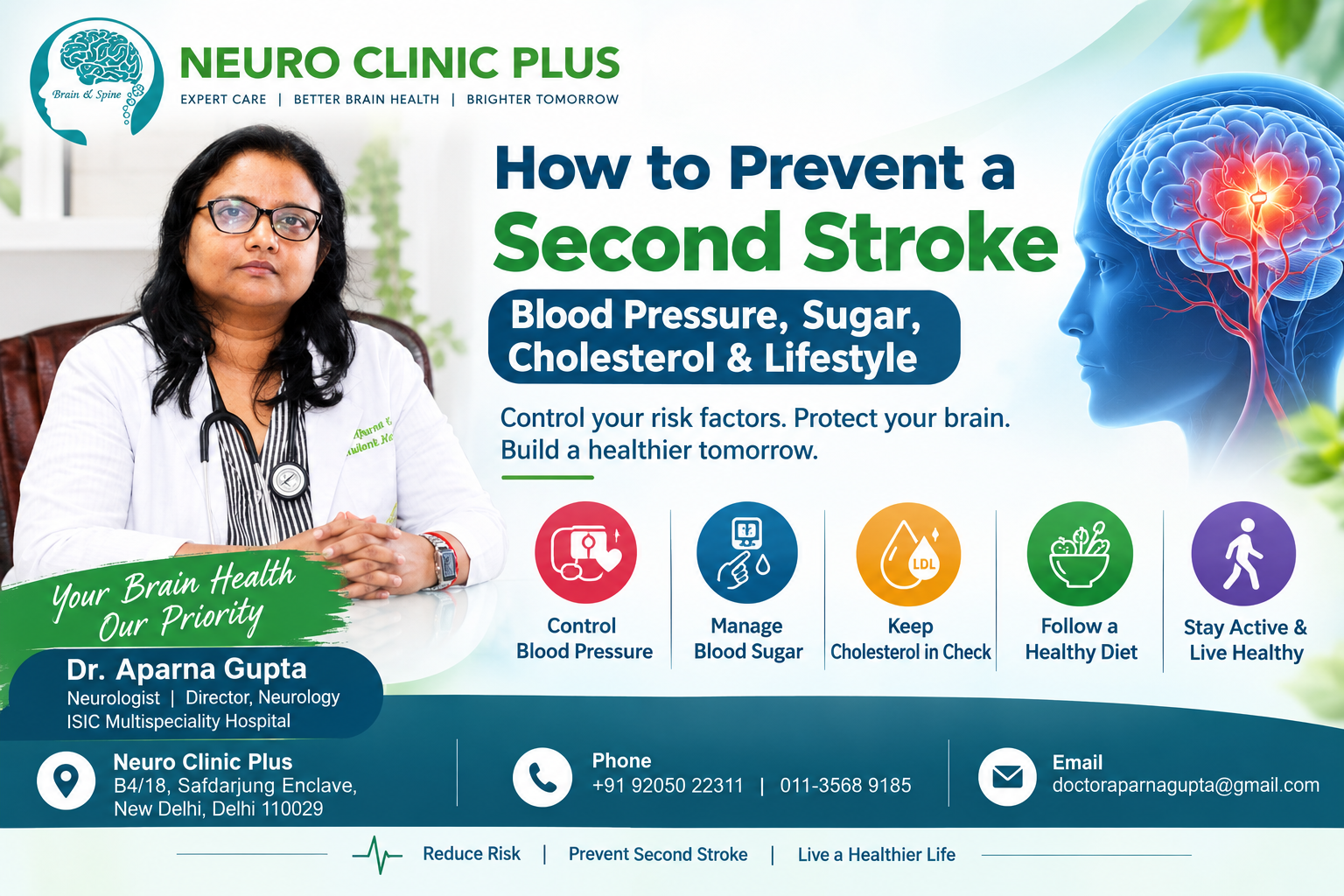
Experiencing a stroke can be life-changing, but taking the right preventive steps can help reduce the risk of another one. Understanding the risk factors for stroke is an important part of protecting brain health after a first stroke. High blood pressure, diabetes, elevated cholesterol, smoking, physical inactivity, and certain heart conditions can increase stroke risk. Identifying these factors early and following a personalised medical plan can help improve long-term health and recovery.
Effective stroke prevention involves controlling blood pressure, managing blood sugar and cholesterol, eating a balanced diet, staying physically active, and taking prescribed medicines consistently. Second stroke prevention is especially important because the steps required depend on the type of stroke, its underlying cause, and an individual’s overall health. With regular follow-up and appropriate guidance from a neurologist, many people can take meaningful steps toward lowering their risk of another stroke.
What Is a Second Stroke?
A second stroke occurs when a person who has previously experienced a stroke develops another stroke. A stroke happens when blood flow to part of the brain is interrupted or when a blood vessel in the brain bleeds. Without an adequate blood supply, brain cells can become damaged.
There are two major types of stroke:
- Ischaemic stroke: Occurs when a blood clot or blockage interrupts blood flow to the brain.
- Haemorrhagic stroke: Occurs when a blood vessel ruptures and causes bleeding in or around the brain.
The prevention strategy depends on which type of stroke occurred and what caused it. For example, some patients may need antiplatelet medication, while others may require anticoagulants for particular heart-related conditions. These medicines are not interchangeable, and treatment must be decided by a qualified clinician.
Understanding the Risk Factors for Stroke
Recognising the risk factors for stroke helps patients and caregivers understand which changes may reduce the likelihood of another event. Some risk factors can be modified through treatment and lifestyle changes, while others cannot be changed.
Important modifiable risk factors include:
- High blood pressure
- Diabetes and uncontrolled blood sugar
- High LDL cholesterol
- Smoking and tobacco use
- Physical inactivity
- Excessive alcohol consumption
- Obesity and an unhealthy diet
- Certain heart conditions, including atrial fibrillation
- Not taking prescribed preventive medication as directed
Age, family history, and certain medical conditions can also influence risk. Although not every risk factor can be eliminated, addressing those that can be changed is an important part of long-term care.
1. Control High Blood Pressure
High blood pressure is one of the most important modifiable stroke risk factors. Persistently elevated pressure can damage blood vessel walls and increase the likelihood of blockage or bleeding.
The relationship between high blood pressure and stroke makes regular blood pressure monitoring essential, especially for people who have already experienced a stroke.
How to manage blood pressure
- Check your blood pressure regularly as advised by your doctor.
- Take prescribed blood pressure medicines consistently.
- Reduce excess salt in your diet.
- Maintain a healthy weight.
- Stay physically active according to your recovery plan.
- Limit alcohol and avoid tobacco.
- Attend follow-up appointments to review your readings and treatment.
Your doctor can recommend an individual blood pressure target based on your age, stroke type, other medical conditions, and treatment tolerance. Do not change or stop medication without medical advice.
2. Manage Blood Sugar and Diabetes
Diabetes can damage blood vessels over time and increase the risk of cardiovascular disease, including stroke. Keeping blood sugar within an individually recommended range can help protect blood vessels and support overall health.
Practical steps for diabetes management
- Monitor blood glucose as recommended.
- Take prescribed diabetes medicines or insulin as directed.
- Follow a balanced eating plan with appropriate portion sizes.
- Choose high-fibre foods, vegetables, and whole grains more often.
- Maintain regular physical activity within your capabilities.
- Attend recommended HbA1c and other health checks.
If you have diabetes alongside high blood pressure or high cholesterol, managing all three together is especially important. Your healthcare team can help establish realistic targets and adjust your plan when necessary.
3. Keep Cholesterol Under Control
High LDL cholesterol can contribute to plaque formation in arteries. When arteries supplying the brain become narrowed or blocked, the risk of an ischaemic stroke may increase.
After a stroke, your clinician may recommend cholesterol testing and medication, such as a statin, depending on the stroke mechanism and your overall cardiovascular risk.
Ways to manage cholesterol
- Follow your prescribed cholesterol-lowering treatment.
- Reduce foods high in saturated and trans fats.
- Eat more vegetables, fruit, beans, lentils, and whole grains.
- Choose healthier fat sources, such as nuts and seeds, in appropriate portions.
- Maintain a healthy weight.
- Get your cholesterol checked at the intervals recommended by your doctor.
Do not stop cholesterol medication simply because your latest test results have improved. Those results may reflect the benefit of treatment.
4. Follow a Heart-Healthy Stroke Diet
A balanced stroke diet can support blood pressure, blood sugar, cholesterol, and weight management. No single food can guarantee that another stroke will be prevented, but consistent dietary habits can contribute to better cardiovascular health.
Foods to include
- Vegetables and fruits: Provide fibre, vitamins, minerals, and antioxidants.
- Whole grains: Oats, whole-wheat roti, and other whole-grain options provide fibre.
- Pulses and legumes: Dal, chickpeas, beans, and lentils provide plant-based protein and fibre.
- Healthy fats: Unsalted nuts, seeds, and suitable plant oils can replace less healthy fat sources.
- Appropriate protein sources: Choose options such as pulses, fish, eggs, or lean proteins according to your dietary preferences and medical advice.
- Low-fat dairy, if suitable: Can provide protein and calcium.
Foods to limit
- Excessively salty packaged foods and pickles
- Deep-fried foods
- Foods high in saturated or trans fats
- Sugary drinks and frequent sweets
- Highly processed snacks
- Excessive alcohol
A DASH-style or Mediterranean-style eating pattern may be helpful for many people, but dietary needs can vary. People with kidney disease, swallowing difficulties, or other medical conditions may require specific dietary guidance. After a stroke, swallowing safety should be assessed if coughing or choking occurs during meals.
5. Stop Smoking and Avoid Tobacco
Smoking damages blood vessels, promotes clot formation, and increases the risk of stroke and other cardiovascular conditions. Tobacco use can also worsen existing vascular disease.
Quitting smoking is one of the most beneficial lifestyle changes a person can make after a stroke.
Helpful steps include:
- Set a quit date and identify personal triggers.
- Ask your doctor about smoking cessation support.
- Consider counselling or approved nicotine-dependence treatments when appropriate.
- Avoid second-hand smoke where possible.
- Seek support from family members or a cessation service.
Avoid starting smoking again even if you feel well after recovery. The benefits of quitting begin over time and support overall vascular health.
6. Exercise Safely After a Stroke
Regular physical activity can support blood pressure control, blood sugar management, mobility, and general well-being. However, the right type and intensity of exercise depend on the person’s recovery, balance, strength, and other health conditions.
Suitable activities may include:
- Walking with assistance if needed
- Physiotherapy exercises
- Gentle stretching
- Balance and mobility training
- Gradually increasing everyday movement
If you have weakness, dizziness, difficulty walking, or a history of falls, ask your healthcare team or physiotherapist to develop a safe activity plan. Do not begin strenuous exercise without appropriate guidance.
7. Take Prescribed Medicines and Attend Follow-Up Visits
Medication plays a key role in second stroke prevention. Depending on the cause of the first stroke, your doctor may prescribe medicines to control blood pressure and cholesterol, antiplatelet treatment, anticoagulants, or diabetes medication.
The correct combination varies from person to person. For example, anticoagulants may be indicated for some people with atrial fibrillation, while antiplatelet medicines are used for other stroke mechanisms. Taking the wrong medicine or combining medicines without supervision can increase the risk of bleeding or other complications.
To support treatment:
- Take medicines at the prescribed dose and time.
- Use a medication schedule or reminder if helpful.
- Tell your doctor about side effects.
- Discuss missed doses rather than doubling the next dose without advice.
- Attend regular reviews and complete recommended tests.
Never start aspirin or another blood thinner on your own after a stroke. The appropriate treatment depends on the stroke type and cause.
8. Manage Weight, Sleep, and Stress
Lifestyle habits influence several stroke risk factors. Maintaining a healthy weight can help improve blood pressure, cholesterol, and diabetes control.
Good sleep habits include maintaining a regular sleep schedule and discussing persistent snoring, interrupted breathing during sleep, or excessive daytime sleepiness with your doctor. Sleep apnoea may contribute to cardiovascular risk and may need evaluation.
Stress management can also support general well-being. Relaxation techniques, social support, counselling, and enjoyable activities may help people cope with the emotional effects of stroke recovery.
These steps complement medical treatment; they do not replace prescribed medication or follow-up care.
Warning Signs of Another Stroke
Recognising stroke symptoms quickly can save lives. A second stroke may cause sudden symptoms such as:
- Weakness or numbness of the face, arm, or leg, especially on one side
- Facial drooping
- Difficulty speaking or understanding speech
- Sudden loss of vision or double vision
- Sudden difficulty walking, dizziness, or loss of coordination
- A sudden severe headache, particularly with other neurological symptoms
Remember FAST:
- F — Face: Is one side of the face drooping?
- A — Arms: Is one arm weak or difficult to raise?
- S — Speech: Is speech slurred or difficult to understand?
- T — Time: Call emergency services immediately.
Do not wait to see whether symptoms improve, even if they disappear after a few minutes. A transient ischaemic attack (TIA) can be a warning of a future stroke and requires urgent medical assessment. In India, call 112 for emergency assistance where available, or use your local emergency service. Do not drive yourself to the hospital.
About Dr. Aparna Gupta
Dr. Aparna Gupta is a neurologist associated with Neuro Clinic Plus in Safdarjung Enclave, South Delhi. She serves as Director, Neurology — ISIC Multispeciality Hospital and has over 22 years of experience in the medical field.
Her areas of neurological practice include stroke, headache and migraine, vertigo, epilepsy, Parkinson’s disease and other movement disorders, dementia, multiple sclerosis, brain infections, and other neurological conditions.
Frequently Asked Questions (FAQs)
1. Can a second stroke be prevented?
The risk can often be reduced through appropriate medical treatment, blood pressure control, diabetes and cholesterol management, smoking cessation, a balanced diet, and regular follow-up. Prevention cannot be guaranteed, and the plan should address the cause of the first stroke.
2. What are the main risk factors for stroke?
Important risk factors for stroke include high blood pressure, diabetes, high LDL cholesterol, smoking, certain heart conditions, physical inactivity, and obesity. Age and family history can also influence risk.
3. How does high blood pressure increase stroke risk?
Persistently high blood pressure can damage blood vessels and increase the likelihood of both blocked and ruptured blood vessels. Monitoring and treating blood pressure can help reduce this risk.
4. What foods are best after a stroke?
A balanced stroke diet often includes vegetables, fruit, whole grains, pulses, and appropriate sources of protein and healthy fats. The ideal diet depends on medical conditions, nutritional needs, and any swallowing difficulties.
5. Should I take aspirin after a stroke?
Not everyone should take aspirin after a stroke. The decision depends on the type and cause of the stroke and the risk of bleeding. Take it only if prescribed or specifically recommended by your treating clinician.
6. Can diabetes increase the risk of another stroke?
Yes. Diabetes can damage blood vessels and increase cardiovascular risk. Blood glucose management, prescribed medication, a suitable diet, and regular health checks are important.
7. How often should I check my blood pressure after a stroke?
Follow the schedule recommended by your clinician. Some people need home monitoring, with readings recorded for review. Your doctor can advise how often to measure it and what target is appropriate.
8. Does cholesterol medication need to be continued if levels improve?
Do not stop prescribed cholesterol medication without consulting your doctor. Improved cholesterol results may be due to the medication, and continuing it may be part of your long-term prevention plan.
9. Is exercise safe after a stroke?
Appropriate physical activity can help recovery and cardiovascular health, but the type and intensity should match your abilities. Ask your doctor or physiotherapist for guidance if you have weakness, balance problems, or fall risk.
10. How important is medication adherence for second stroke prevention?
Taking medication as prescribed is an important part of second stroke prevention. Missing doses or stopping treatment can reduce protection or cause complications. Discuss side effects or difficulties with your healthcare team.
11. Can a TIA lead to another stroke?
A TIA is a temporary episode of neurological dysfunction caused by reduced blood flow. It can signal an increased risk of stroke and needs urgent medical assessment, even when symptoms disappear.
12. When should I seek emergency help for possible stroke symptoms?
Seek emergency help immediately for sudden facial drooping, weakness on one side, speech difficulty, vision changes, loss of coordination, or a sudden severe headache. Do not wait for symptoms to improve.
Conclusion
Preventing another stroke involves identifying and managing the factors that contributed to the first event. Controlling blood pressure, managing diabetes and cholesterol, following a balanced diet, staying active safely, avoiding tobacco, and taking prescribed medicines can all support long-term vascular health.
Effective stroke prevention requires an individualised plan because the right treatment depends on the type and cause of the stroke. Keep regular follow-up appointments, discuss any treatment concerns with your healthcare team, and make lifestyle changes that are realistic and sustainable. If new stroke warning signs appear, seek emergency care immediately.