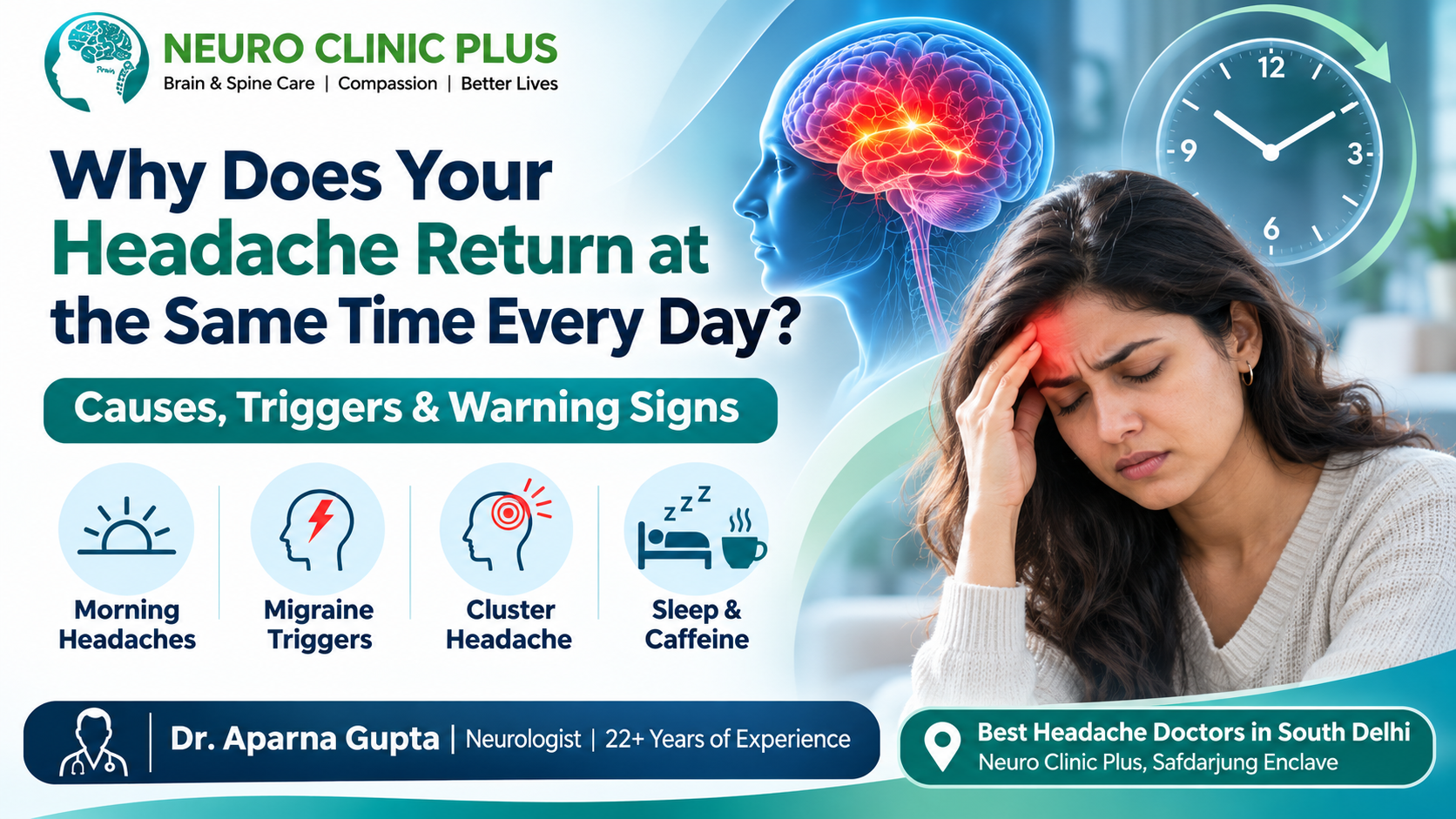
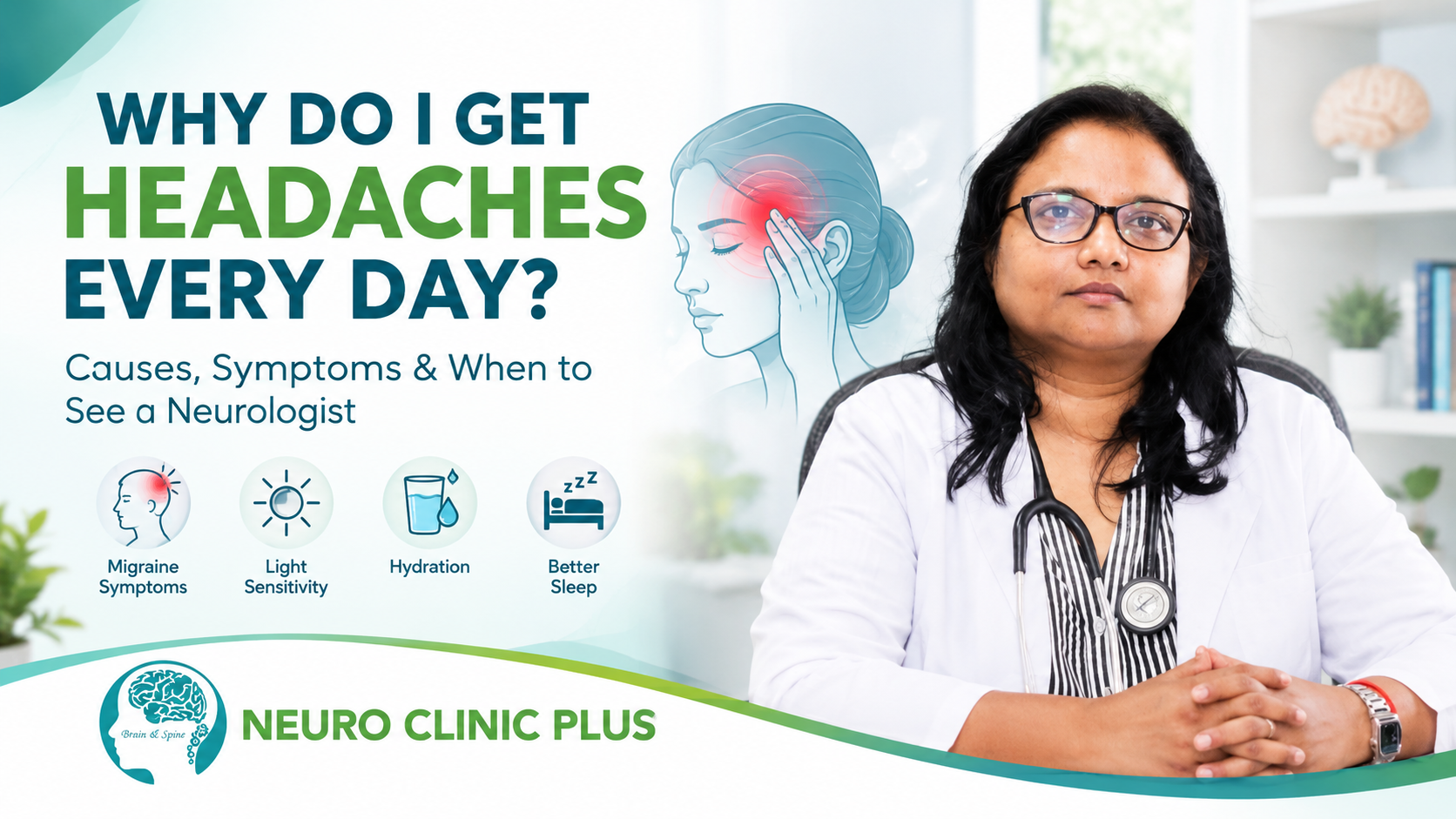
Have you ever wondered, why do I get headaches every day, even when you have not done anything physically exhausting? Frequent headaches can affect your concentration, sleep, work, and overall quality of life. While occasional headaches may result from stress, dehydration, or lack of sleep, recurring headaches can sometimes indicate an underlying medical condition that needs proper evaluation.
Understanding the daily headache causes, recognizing associated symptoms, and knowing when to see a neurologist for headaches can help you take the right steps towards better health. If your headaches are becoming frequent, severe, or different from your usual pattern, a neurological assessment may help identify the cause and guide appropriate treatment.
Why Do I Get Headaches Every Day?
There is no single explanation for daily headaches. They can occur because of lifestyle habits, primary headache disorders such as migraine or tension-type headache, medication overuse, or certain underlying medical conditions.
The answer to why do I get headaches every day depends on factors such as where the pain occurs, how long it lasts, how frequently it happens, and whether other symptoms accompany it.
Some people experience a dull pressure around the forehead, while others have throbbing pain on one side of the head, pain around the eyes, or discomfort that begins in the neck and spreads upwards.
Keeping track of your headache pattern can help a doctor understand possible triggers and determine whether further investigations are needed.
Common Daily Headache Causes
Several factors can contribute to recurring headaches. Identifying them is an important step towards effective management.
1. Stress and Tension
Stress is one of the common causes of frequent headaches. Emotional pressure, anxiety, long working hours, and inadequate relaxation may contribute to tension-type headaches.
These headaches often feel like a tight band around the forehead or pressure on both sides of the head. Tightness in the neck and shoulder muscles may occur at the same time.
Relaxation techniques, regular physical activity, adequate sleep, and stress-management strategies may help reduce the frequency of stress-related headaches.
2. Migraine
Migraine symptoms can include moderate to severe headache, throbbing pain, nausea, vomiting, and sensitivity to light or sound. The pain may affect one or both sides of the head and can interfere with daily activities.
Some people experience visual disturbances or other warning symptoms called an aura before a migraine attack. Others experience migraine without an aura.
Migraine attacks can become frequent due to factors such as irregular sleep, hormonal changes, stress, skipped meals, or individual triggers. If headaches occur repeatedly or interfere with daily life, a doctor can assess whether migraine is responsible and recommend a suitable management plan.
3. Dehydration
Not drinking enough fluids can contribute to headaches, especially during hot weather, exercise, or illness.
Other signs of dehydration may include thirst, dark-coloured urine, dry mouth, and tiredness. Drinking fluids regularly and maintaining adequate hydration may help when dehydration is the trigger.
However, a persistent headache should not automatically be attributed to dehydration, particularly if it is severe or accompanied by other symptoms.
4. Poor Sleep or Irregular Sleep Schedule
Insufficient sleep, irregular sleeping hours, and poor sleep quality may trigger headaches in some individuals.
Conditions such as sleep apnoea can also be associated with morning headaches. Loud snoring, unrefreshing sleep, and excessive daytime sleepiness may indicate a sleep-related problem that requires assessment.
Maintaining a consistent sleep schedule and avoiding excessive caffeine late in the day may improve sleep quality.
5. Eye Strain and Screen Time
Extended screen use, poor lighting, uncorrected vision problems, and prolonged close-up work can contribute to eye strain and headache discomfort.
Taking regular screen breaks, adjusting screen brightness, improving posture, and getting an eye examination when needed may help. If headaches continue despite these changes, other causes should also be considered.
6. Skipping Meals and Caffeine Changes
Skipping meals, fasting for long periods, or experiencing changes in caffeine consumption can trigger headaches in some people.
Try to maintain regular meals and notice whether headaches occur after missed meals or changes in your usual tea, coffee, or energy-drink intake. Reducing high caffeine consumption gradually may be more comfortable than stopping suddenly.
7. Neck Problems and Poor Posture
Long hours spent working on a laptop or mobile phone can contribute to neck and shoulder tension. Some headaches may originate from the neck and spread towards the back of the head or forehead.
Posture adjustments, movement breaks, and appropriate exercises may help. However, not every headache associated with neck pain is caused by a neck problem, so persistent symptoms deserve proper assessment.
8. Medication-Overuse Headache
Frequent use of certain headache medicines can sometimes cause headaches to occur more often. This is known as medication-overuse headache.
It may develop when acute headache medicines are used too frequently over time. The risk depends on the medication and pattern of use.
If you regularly need painkillers to get through the day, speak with a healthcare professional. Do not increase doses or stop prescribed medicines without medical guidance.
9. Other Medical Conditions
Less commonly, daily headaches may be associated with infections, blood-pressure-related emergencies, inflammatory conditions, or other neurological problems.
The pattern of pain alone cannot reliably identify the cause. A doctor may consider your medical history, neurological examination, medications, and associated symptoms before deciding whether tests or scans are necessary.
Types of Headaches That May Occur Frequently
Understanding the different types of headaches can help explain why symptoms vary from person to person.
- Tension-type headache: Often causes pressure or tightness on both sides of the head.
- Migraine: May cause throbbing pain, nausea, and sensitivity to light or sound.
- Medication-overuse headache: May develop in people who use acute headache medicines too frequently.
- Cluster headache: Causes intense pain, usually around one eye, often with tearing or nasal symptoms on the same side.
- Cervicogenic headache: May arise from structures in the neck and radiate towards the head.
These conditions can overlap in their symptoms. A medical assessment is more reliable than trying to diagnose the headache based on pain location alone.
Headache Causes and Symptoms: Warning Signs to Recognize
Understanding headache causes and symptoms involves looking beyond the pain itself. Tell your doctor whether you experience nausea, vomiting, visual changes, dizziness, neck stiffness, fever, weakness, or changes in speech or balance.
Seek emergency medical care immediately if you experience any of the following:
- A sudden, extremely severe headache that reaches maximum intensity within seconds or minutes.
- A new headache accompanied by weakness, facial drooping, confusion, difficulty speaking, or loss of balance.
- Headache with fever and a stiff neck.
- A severe headache after a significant head injury.
- New headache with loss of consciousness, seizure, or sudden vision loss.
A new or progressively worsening headache, especially with cancer, weakened immunity, pregnancy or the period after childbirth, or onset at an older age, also warrants prompt medical evaluation.
Do not wait for a routine appointment if emergency warning signs are present.
When to See a Neurologist for Headaches
Knowing when to see a neurologist for headaches is important if the problem keeps returning or begins affecting everyday activities.
Consider booking a medical appointment if:
- You experience headaches frequently or on most days.
- Your headaches are becoming more severe or changing in pattern.
- Pain interferes with work, sleep, studies, or normal activities.
- You experience repeated migraine attacks or persistent nausea with headaches.
- You regularly rely on painkillers.
- Headaches are accompanied by recurring visual disturbances, dizziness, or other neurological symptoms.
- Your usual headache treatment is no longer helping.
A neurologist can assess the type of headache, check for concerning features, and determine whether additional tests are appropriate.
How Are Daily Headaches Diagnosed?
The diagnosis usually begins with a detailed discussion of your symptoms and medical history.
Your doctor may ask:
- When did the headaches begin?
- How many days per month do you experience them?
- Where is the pain located?
- How long does each episode last?
- Are there associated symptoms such as nausea, light sensitivity, or visual changes?
- Which medicines do you take, and how often?
- Are there possible triggers involving sleep, stress, meals, or caffeine?
A physical and neurological examination may follow. Depending on the findings, the doctor may recommend blood tests, an eye assessment, or brain imaging. Not everyone with recurring headaches needs a scan; testing should be based on the clinical assessment and any warning signs.
Headache Treatment: What May Help?
Appropriate headache treatment depends on the underlying cause, the frequency of attacks, their severity, and your overall health.
Lifestyle Changes
Simple habits may help reduce headaches for some people:
- Maintain a regular sleep schedule.
- Drink adequate fluids.
- Eat meals at consistent times.
- Take breaks during prolonged screen use.
- Include suitable physical activity in your routine.
- Manage stress through relaxation or breathing exercises.
- Keep a headache diary to identify patterns and possible triggers.
These measures can support treatment but should not replace medical assessment when headaches are frequent, severe, or changing.
Medicines and Preventive Treatment
Depending on the diagnosis, a clinician may recommend medicines for relief during a headache or preventive treatment to reduce how often headaches occur.
Migraine and tension-type headaches may require different approaches. Preventive treatment may be considered when attacks are frequent, disabling, or difficult to manage. The choice of medicine depends on individual factors, including other health conditions and existing medications.
Avoid taking headache medicines more often than recommended. If you need them frequently, ask your doctor about safer long-term management.
Treating the Underlying Cause
If headaches are related to another condition, managing that problem may be an important part of care. For example, a person with sleep-related symptoms may need a sleep assessment, while recurring headaches with visual strain may warrant an eye examination.
The goal is to identify the most likely cause, reduce the impact of headaches, and improve daily functioning.
How to Keep a Headache Diary
A headache diary can provide useful information during your consultation. Record the following details:
- Date and time the headache starts.
- Duration and severity of the pain.
- Location and nature of the pain.
- Associated symptoms.
- Sleep quality, meals, hydration, and possible triggers.
- Medicines taken and whether they helped.
A diary can reveal patterns that are difficult to remember during an appointment. It can also help your doctor assess whether treatment is working.
About Dr. Aparna Gupta – Neurologist at Neuro Clinic Plus
Dr. Aparna Gupta is an experienced neurologist with over 22 years of experience in neurological care. She holds MBBS, MD in General Medicine, and DNB in Neurology qualifications. She serves as Director of Neurology at ISIC Multispeciality Hospital and also provides neurological consultation at Neuro Clinic Plus in Safdarjung Enclave, New Delhi.
Her clinical areas of interest include headache and migraine evaluation, stroke, epilepsy, vertigo, Parkinson’s disease and movement disorders, dementia, multiple sclerosis, peripheral neuropathy, and other neurological conditions.
For people searching for the Neurologist in Delhi for recurring headaches, a consultation can help assess symptoms, explore possible causes, and determine an appropriate care plan. Treatment recommendations depend on the individual’s history and examination.
Frequently Asked Questions (FAQs)
1. Why do I get headaches every day?
Daily headaches may be associated with migraine, tension-type headache, sleep problems, dehydration, stress, medication overuse, or other medical conditions. A clinician can help identify the likely cause.
2. Are daily headaches a sign of a serious problem?
Not always. Many headaches are related to common conditions, but sudden severe pain, neurological symptoms, fever with neck stiffness, or a progressive change in headache pattern requires prompt medical attention.
3. Can dehydration cause daily headaches?
Dehydration can contribute to headaches, particularly when fluid intake is low. If headaches continue despite adequate hydration, other causes should be considered.
4. What are the common symptoms of migraine?
Migraine may cause throbbing head pain, nausea, vomiting, and sensitivity to light or sound. Some people also experience temporary visual or sensory symptoms.
5. What is a chronic daily headache?
The term describes headaches occurring very frequently. A commonly used clinical definition of chronic headache involves headache on 15 or more days per month for over three months, but the exact diagnosis depends on the headache pattern and medical assessment.
6. Can stress cause frequent headaches?
Yes. Stress can trigger or worsen headaches in some people, particularly tension-type headaches and migraine. Stress management may help as part of a broader treatment plan.
7. Can using painkillers frequently make headaches worse?
Yes. Overuse of certain acute headache medicines can contribute to medication-overuse headache. Discuss frequent medicine use with a healthcare professional.
8. When should I see a neurologist for headaches?
Seek an assessment if headaches are frequent, worsening, affecting daily life, or not responding to usual measures. Emergency symptoms require immediate medical care rather than a routine appointment.
9. Do daily headaches always require an MRI or CT scan?
No. Imaging is not necessary for every headache. A doctor decides whether a scan is appropriate based on your history, examination, and warning signs.
10. Can poor sleep cause morning headaches?
Poor sleep can contribute to headaches. Recurrent morning headaches accompanied by loud snoring or daytime sleepiness may warrant evaluation for a sleep disorder.
11. What is the best treatment for frequent headaches?
Treatment depends on the diagnosis. It may include lifestyle changes, medicines for acute attacks, preventive medication, or management of an underlying condition.
12. How can I find the Best Neurologist in South Delhi for recurring headaches?
Look for a qualified neurologist with relevant clinical experience who can evaluate your headache pattern, explain the diagnosis, and discuss suitable treatment options. Dr. Aparna Gupta provides neurological consultation at Neuro Clinic Plus in Safdarjung Enclave, New Delhi.
Conclusion
If you keep asking yourself, why do I get headaches every day, it is worth paying attention to the pattern rather than repeatedly relying on temporary relief. Stress, migraine, dehydration, sleep problems, medication overuse, and other conditions can contribute to recurring headaches. Identifying the cause is the first step towards an appropriate treatment plan.
Do not ignore headaches that are frequent, worsening, or interfering with your quality of life. If you are looking for the Neurologist in South Delhi, Dr. Aparna Gupta at Neuro Clinic Plus can help evaluate recurring headaches and discuss appropriate next steps based on your symptoms and medical history.
Book a neurological consultation if your headaches are persistent or concerning. If you experience a sudden severe headache or new neurological symptoms, seek emergency medical care immediately.