
What Causes Autoimmune Neurological Disorders and How Can a Specialist Treat Them?
Most people have never heard the term “autoimmune neurological disorder” until they, or someone close to them, start experiencing symptoms that don’t quite make sense — sudden weakness, unexplained confusion, tingling that won’t go away, or fatigue that no amount of rest seems to fix. These symptoms are often dismissed as stress or “just tiredness,” until they start interfering with daily life.
If you’re searching for the best autoimmune neurological disorder specialist in Safdarjung Enclave, this guide walks you through what autoimmune neurological disorders actually are, how they’re diagnosed, what treatment looks like, and why getting evaluated early matters — based on clinical experience treating these conditions at Neuro Clinic Plus, Safdarjung Enclave.
What Are Autoimmune Neurological Disorders?
In a healthy body, the immune system’s job is to identify and attack harmful invaders like viruses and bacteria. In autoimmune neurological disorders, this same defence system mistakenly targets healthy tissue in the brain, spinal cord, or peripheral nerves instead.
This misdirected attack causes inflammation and, over time, can damage nerve tissue. Because the nervous system controls so much of how the body functions, the resulting symptoms can affect movement, sensation, memory, mood, and even basic day-to-day coordination — which is exactly why these conditions are so often misread as something else.
Common Types of Autoimmune Neurological Disorders We See at Our Safdarjung Clinic
Understanding the type of disorder is the first step to effective treatment.
Multiple Sclerosis (MS) The immune system attacks the protective covering of nerve fibres, disrupting communication between the brain and the rest of the body. Symptoms can include vision problems, muscle weakness, and balance issues that come and go over time.
Myasthenia Gravis Affects the connection between nerves and muscles, leading to muscle weakness that typically worsens with activity and improves with rest — often noticed first in the eyes or face.
Autoimmune Encephalitis Inflammation of the brain caused by the immune system, which can lead to sudden confusion, memory problems, personality changes, or seizures. This condition often gets mistaken for a psychiatric issue before the underlying cause is identified.
Guillain-Barré Syndrome A condition where the immune system attacks the peripheral nerves, causing rapidly progressing weakness or tingling, usually starting in the legs.
Autoimmune Peripheral Neuropathy Nerve damage in the arms and legs caused by immune-related inflammation, leading to numbness, burning sensations, or weakness that can gradually worsen if left untreated.
When You Should See an Autoimmune Neurological Disorder Specialist in Delhi
Occasional fatigue or a passing tingling sensation isn’t usually cause for alarm. But you should book a consultation with a neurologist if you notice any of the following:
- Muscle weakness that comes and goes, or worsens with activity
- Numbness, tingling, or burning sensations that persist for weeks
- Sudden confusion, memory lapses, or personality changes
- Vision disturbances that appear without a clear cause
- Balance or coordination problems that are new or worsening
- Extreme fatigue that doesn’t improve with rest
- Any of the above symptoms following a recent infection
If any of these sound familiar, it’s worth getting evaluated by a trusted autoimmune neurological disorder specialist near Safdarjung Enclave rather than waiting to see if symptoms resolve on their own.
What Happens During an Autoimmune Neurology Consultation
At Neuro Clinic Plus, evaluating a suspected autoimmune neurological disorder typically includes:
- Detailed history — onset, pattern, triggers, recent infections, and family history of autoimmune conditions.
- Neurological examination — assessing reflexes, muscle strength, coordination, and sensory function to identify which part of the nervous system is affected.
- Targeted investigations, if needed — this may include blood tests, MRI imaging, nerve conduction studies, or spinal fluid analysis, ordered only when clinically indicated. [Update or fact-check needed] — specific test protocols should be confirmed against current clinical practice before publishing.
- Personalised treatment plan — built around the specific disorder identified, rather than a generic approach.
Treatment Options for Autoimmune Neurological Disorders
Depending on the diagnosis, treatment may include:
- Immunosuppressive or immunomodulating medication — to calm the overactive immune response
- Steroid therapy — often used during active flare-ups to reduce inflammation
- Plasma exchange or IVIG therapy — used in select, more severe cases
- Physical and occupational therapy — to help rebuild strength, coordination, and independence
- Long-term monitoring — regular follow-ups to catch relapses early and adjust treatment as needed
The goal isn’t just managing a single flare-up, but building a long-term plan that keeps the condition stable and protects quality of life.
Why Choose a Specialist Over a General Physician for Autoimmune Neurological Symptoms
A general physician is a reasonable first stop for mild, short-lived symptoms. But autoimmune neurological disorders are notoriously difficult to diagnose because they mimic so many other conditions. A specialist neurologist in Safdarjung Enclave brings the training needed to connect subtle, seemingly unrelated symptoms, order the right tests at the right time, and build a treatment plan that adapts as the condition changes — something a general consultation often doesn’t have the depth to do.
About Dr. Aparna Gupta — Autoimmune Neurological Disorder Specialist in Safdarjung Enclave
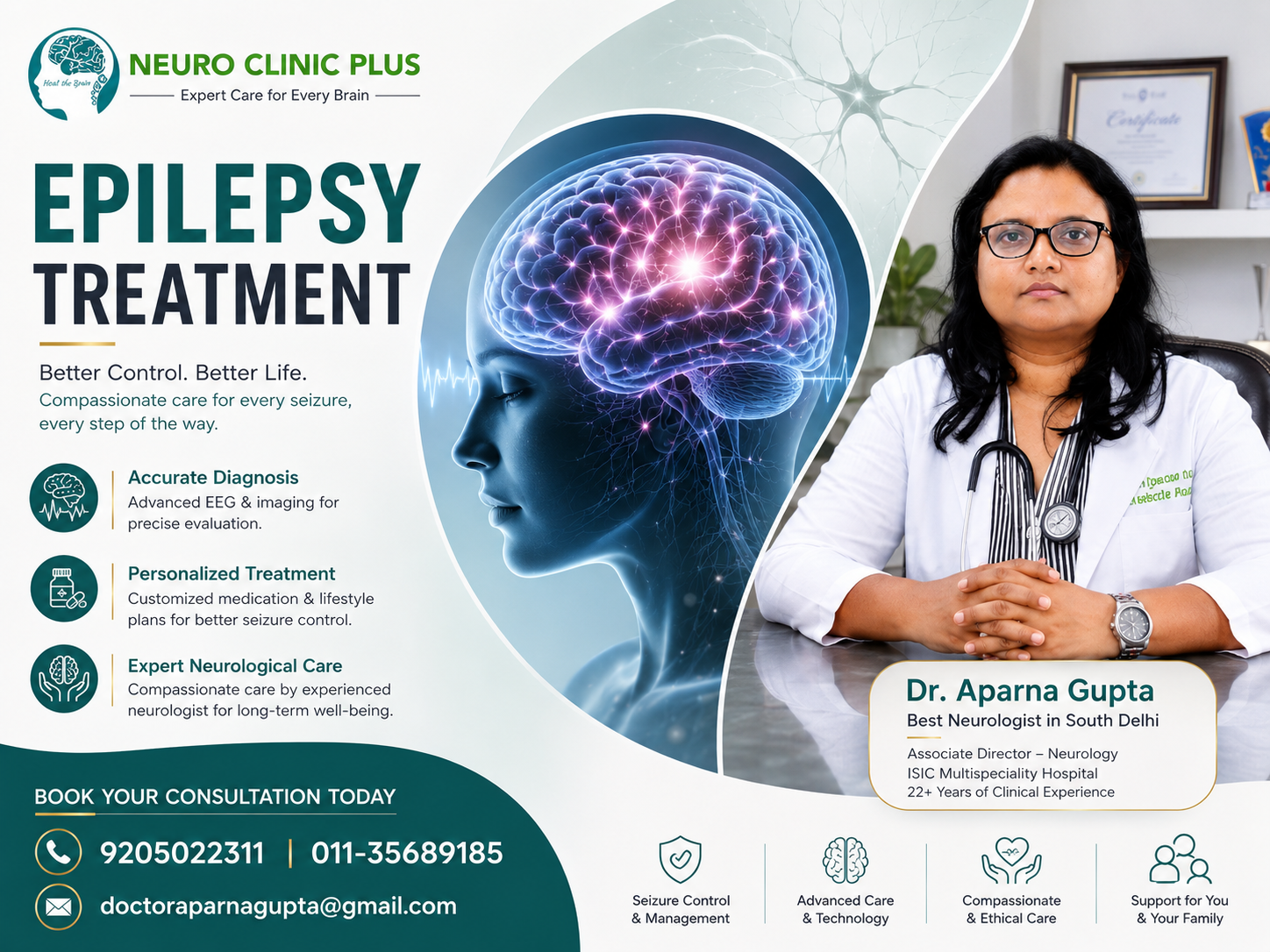
Dr. Aparna Gupta is a neurologist (MBBS, MD, DNB Neurology) with over 22 years of clinical experience, currently serving as Associate Director of Neurology at ISIC Multispeciality Hospital. At her clinic, Neuro Clinic Plus in Safdarjung Enclave, South Delhi, she has treated a wide range of autoimmune neurological conditions alongside other complex disorders such as stroke, epilepsy, dementia, and Parkinson’s disease — with an approach focused on identifying root causes rather than only managing symptoms.
Frequently Asked Questions
- What is an autoimmune neurological disorder?
It’s a condition where the immune system mistakenly attacks the brain, spinal cord, or nerves instead of protecting them, leading to inflammation and nerve damage.
- What are the early warning signs of an autoimmune neurological disorder?
Persistent weakness, tingling or numbness, unexplained fatigue, vision changes, or sudden confusion are common early signs worth getting checked.
- Are autoimmune neurological disorders curable?
Many are chronic conditions managed rather than cured, but with the right treatment plan, symptoms can often be well-controlled and relapses reduced.
- Is a scan always required to diagnose an autoimmune neurological disorder?
Not always. Diagnosis usually starts with clinical history and examination, with imaging or blood tests added when specific signs point toward it.
- Can stress trigger autoimmune neurological symptoms?
Stress alone doesn’t cause these disorders, but it can worsen symptoms or trigger flare-ups in someone who already has an underlying condition.
- How long does treatment take to show results?
This varies widely by condition and individual, but many patients notice meaningful improvement within weeks of starting an appropriate treatment plan.
- Can these disorders come back after treatment?
Yes, many autoimmune neurological conditions can relapse, which is why ongoing monitoring and follow-up visits are an important part of long-term care.
- Is autoimmune encephalitis the same as a psychiatric condition?
No, though it can initially look like one due to confusion or personality changes. A neurological evaluation helps distinguish between the two.
- Are autoimmune neurological disorders hereditary?
Some autoimmune conditions do have a genetic or familial component, so mentioning any family history during consultation is helpful.
- Can children develop autoimmune neurological disorders?
Yes, though less common, children can be affected. Persistent or unusual neurological symptoms in children should always be evaluated properly.
- What lifestyle changes help manage these conditions?
Adequate rest, stress management, a balanced diet, and staying consistent with prescribed treatment and follow-ups all support better long-term management.
- How do I book an appointment with an autoimmune neurological disorder specialist in Safdarjung Enclave?
Call 9205022311 / 011-35689185 or use the online booking page on the Neuro Clinic Plus website to schedule a consultation with Dr. Aparna Gupta directly.
Conclusion
Autoimmune neurological disorders are often confusing, slow to diagnose, and easy to mistake for something else entirely. But an accurate diagnosis and a well-managed treatment plan can make a real difference — not just in controlling symptoms, but in protecting long-term neurological health. If you’re experiencing unexplained weakness, numbness, confusion, or fatigue that isn’t going away, it’s worth consulting a specialist rather than waiting it out. Dr. Aparna Gupta at Neuro Clinic Plus, Safdarjung Enclave, offers a thorough, personalised evaluation to help you understand what’s causing your symptoms and manage them effectively for the long term.