
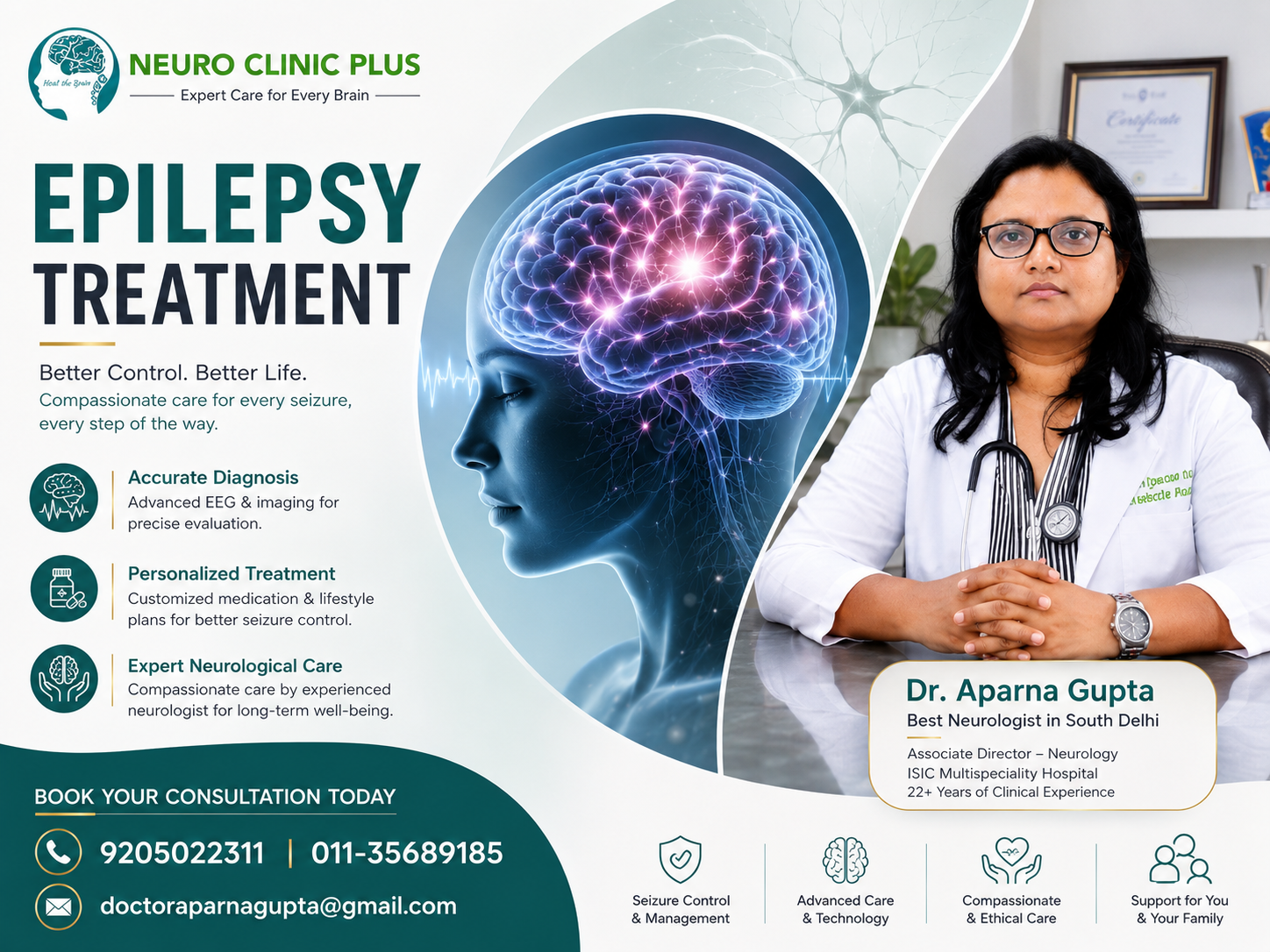
Epilepsy: Causes, Warning Signs, Treatment, and Recovery
Epilepsy is one of the most common neurological conditions in the world, yet it remains widely misunderstood. Living with recurring seizures can affect a person’s confidence, career, relationships, and daily routine. Finding the best epilepsy specialist near AIIMS Delhi is often the first real step toward regaining control and living a normal, active life.
More patients in South Delhi and across the NCR are now searching for a trusted epilepsy specialist near AIIMS Delhi, along with related terms like epilepsy treatment in South Delhi and top neurologist for seizures in Delhi NCR, because timely diagnosis and the right treatment plan can make a life-changing difference. This guide breaks down what epilepsy is, what causes it, how to recognise the warning signs, how it’s treated, and what recovery actually looks like.
Understanding Epilepsy
Epilepsy is a neurological condition marked by recurrent seizures, which happen when there’s a sudden burst of abnormal electrical activity in the brain. A single seizure doesn’t necessarily mean someone has epilepsy — the diagnosis usually applies when a person has two or more unprovoked seizures.
Seizures look different from person to person. Some involve full-body convulsions and loss of consciousness, while others are much subtler — brief episodes of staring, confusion, or repetitive movements that can be easy to miss or mistake for something else entirely, like daydreaming or fatigue.
Because symptoms vary so widely, many people delay seeking help. This is exactly why consulting the best epilepsy specialist near AIIMS Delhi early on matters so much — an accurate diagnosis can prevent years of unnecessary uncertainty and help patients get back to normal life sooner.
As an experienced epilepsy specialist in Delhi NCR and a well-known epilepsy doctor near AIIMS, Dr. Aparna Gupta works closely with patients and families to understand seizure patterns, identify triggers, and build a treatment plan that controls seizures while keeping side effects to a minimum.
What Causes Epilepsy?
Epilepsy can develop for several reasons, and understanding the underlying cause often shapes the treatment plan. Common contributing factors include:
- Head injury or trauma to the brain
- Brain infections, such as meningitis or encephalitis
- Stroke or reduced blood flow to the brain
- Genetic factors and family history
- Developmental conditions present from birth
- Brain tumours or structural abnormalities [Update or fact-check needed — confirm relevance and frequency in clinical practice]
In many cases, however, no single cause is ever identified. This is known as idiopathic epilepsy, and it’s more common than most people realise. Regardless of the cause, the treatment goal remains the same: reduce seizure frequency and help the patient live a full, active life.
Recognising the Warning Signs
Spotting epilepsy early can make a real difference in how quickly it’s brought under control. Some warning signs are dramatic and obvious, while others are quiet enough to go unnoticed for months or even years. Common signs to watch for include:
- Sudden, uncontrolled jerking movements of the arms and legs
- Brief periods of staring or “zoning out” that others can’t interrupt
- Temporary confusion or loss of awareness
- A sudden feeling of fear, anxiety, or déjà vu without explanation
- Stiffening of the body followed by rhythmic shaking
- Loss of consciousness, sometimes with no memory of the event afterward
If you notice any of these signs in yourself or a loved one — especially if they happen more than once — it’s worth getting checked out by a specialist rather than waiting to see if they go away on their own.
Our Treatment Approach
There’s no one-size-fits-all solution for epilepsy. Treatment plans need to be tailored to each patient’s seizure type, medical history, and lifestyle. This is the philosophy behind epilepsy treatment in South Delhi at Neuro Clinic Plus, where comprehensive seizure management and long-term care go hand in hand — an approach that has made it a go-to epilepsy clinic near AIIMS Delhi for patients seeking dependable, ongoing care.
Most treatment plans begin with anti-seizure medication, carefully selected and adjusted over time to strike the right balance between seizure control and minimal side effects. This process can take some trial and adjustment, which is why regular follow-up with a specialist matters so much in the early stages.
Alongside medication, lifestyle changes, meditation, and biofeedback techniques often play a supporting role in reducing seizure frequency and managing stress-related triggers. For patients with severe or difficult-to-control epilepsy, more advanced options may be considered, including high-dose steroids, immunoglobulin therapy, or plasma exchange.
A comprehensive treatment plan typically includes:
- Individualised anti-seizure medication plans
- Lifestyle and trigger-avoidance counselling
- Biofeedback and stress-reduction techniques
- Advanced immunotherapy for severe or refractory cases
- Long-term monitoring and medication adjustment
If you or a loved one is experiencing symptoms related to epilepsy, don’t wait. Early evaluation from a qualified seizure specialist near AIIMS makes treatment simpler and more effective in the long run, and it gives patients a much clearer picture of what to expect going forward.
Recovery and Living Well With Epilepsy
Recovery from epilepsy doesn’t always mean seizures disappear completely — for many patients, it means gaining reliable control over them and building a life that isn’t dictated by fear of the next episode. With the right treatment plan, most patients see a meaningful reduction in seizure frequency and severity over time.
Beyond medication, recovery often involves practical lifestyle adjustments: a consistent sleep schedule, stress management, avoiding known triggers, and staying closely connected with a specialist for regular monitoring. Family support also plays a big role — understanding the condition helps loved ones respond calmly if a seizure does occur.
Many patients who once felt limited by their diagnosis go on to work, travel, and manage daily responsibilities with confidence once treatment is properly established.
A Trusted Name in Neurology
Not every neurologist specialises in epilepsy, and that difference in expertise can significantly affect outcomes. This is where Dr. Aparna Gupta stands out — widely recognised as one of the best neurologists in South Delhi and a sought-after epilepsy doctor near AIIMS Delhi.
She serves as Associate Director of Neurology at ISIC Multispeciality Hospital and brings over 22 years of clinical experience to diagnosing and treating complex neurological conditions. Beyond epilepsy, her clinic offers personalised, evidence-based treatment for stroke, chronic headaches, vertigo, Parkinson’s disease, dementia, spine pain, peripheral neuropathy, brain infections, and autoimmune neurological disorders.
Known for her patient-centric approach and advanced treatment methods, Dr. Gupta focuses on improving quality of life through holistic, compassionate care — which is why patients continue to search for the best epilepsy specialist near AIIMS Delhi, or simply the top neurologist near AIIMS, rather than settling for a general practitioner.
- 22+ years of clinical experience in neurology
- Associate Director of Neurology, ISIC Multispeciality Hospital
- Treated thousands of patients across India and abroad
- Known for patience, empathy, and clear communication
Why This Topic Matters Today
Neurological health is getting far more attention today than a decade ago, with epilepsy awareness finally catching up to conditions like diabetes and hypertension in public conversation. As lifestyles grow more stressful and screen time increases, more people experience sleep disruption and fatigue — both known seizure triggers.
Healthcare in Delhi NCR has also become more accessible, with better diagnostics, telemedicine for patients abroad, and more specialists focused on neurological disorders. Choosing a Best Epilepsy Specialist near AIIMS Delhi is essential to build brand authority, engage your target audience, and drive consistent leads, but far more importantly, it’s essential for patients who need consistent, reliable care they can trust long-term.
This is also why patient trust matters so much. People want doctors who are easy to reach, communicate clearly, and understand that a seizure disorder affects far more than just the brain — it touches confidence, relationships, and independence.
Why patients trust Dr. Gupta:
- Accurate Diagnosis — Careful clinical assessment combined with advanced diagnostics ensures each patient receives the correct diagnosis before treatment begins.
- Clear Communication — Conditions and treatment options are explained in simple terms, so patients and families feel informed and confident.
- Always Reachable — Patients frequently note that Dr. Gupta remains approachable even outside clinic hours during genuine emergencies.
- Care Across Borders — She has guided the care of patients and families living abroad, coordinating treatment plans remotely when needed.
Frequently Asked Questions
- Who is the best epilepsy specialist near AIIMS Delhi?Dr. Aparna Gupta, Associate Director of Neurology at ISIC Multispeciality Hospital and consultant at Neuro Clinic Plus, is widely regarded as a leading epilepsy specialist near AIIMS Delhi, with 22+ years of experience treating seizure disorders.
- What are the early warning signs of epilepsy? Early signs can include brief staring spells, confusion, unusual jerking movements, a sudden feeling of fear or déjà vu, or full-body convulsions. Since symptoms vary so widely, it’s best to consult a specialist rather than self-diagnose.
- What actually causes epilepsy? Common causes include head injury, brain infections, stroke, genetic factors, and developmental conditions, though in many cases no clear cause is ever found. [Update or fact-check needed — confirm most common causes seen in clinical practice.]
- Can epilepsy be fully cured, or only managed? [Update or fact-check needed.] Many patients achieve excellent seizure control through medication and lifestyle changes, though outcomes vary depending on the type and underlying cause.
- What tests are used to diagnose epilepsy? Diagnosis typically involves a clinical history, a neurological exam, and diagnostic tools such as an EEG (a test that records the brain’s electrical activity) and imaging scans. [Update or fact-check needed — confirm exact diagnostic protocol used at the clinic.]
- Is epilepsy treatment near AIIMS Delhi suitable for international or NRI patients? Yes. Dr. Gupta has experience coordinating care remotely for patients and families living abroad, making it easier for NRI patients to receive guidance and follow-up support from a distance.
- How long does epilepsy treatment usually take to show results? This depends on the individual case and how the patient responds to medication. Many patients see improved seizure control within the first few months, though long-term monitoring is often part of the process. [Update or fact-check needed — confirm typical treatment timelines
Key Takeaways
- Epilepsy is a manageable neurological condition, and early diagnosis significantly improves outcomes.
- Common warning signs include staring spells, jerking movements, sudden confusion, and full-body convulsions — any of these deserve a specialist’s attention.
- Causes range from head injury and infections to genetic factors, though many cases have no identifiable cause.
- Treatment usually combines anti-seizure medication with lifestyle changes, and advanced therapies for severe cases.
- Choosing an experienced epilepsy specialist near AIIMS Delhi rather than a general physician leads to more accurate diagnosis and better long-term seizure control.
- Dr. Aparna Gupta brings 22+ years of neurology experience and serves as Associate Director of Neurology at ISIC Multispeciality Hospital.
- Recovery means different things for different patients, but consistent care almost always improves quality of life.
Conclusion
Epilepsy doesn’t have to control your life. With the right diagnosis, a personalised treatment plan, and consistent follow-up care, most patients recover well and return to a normal, confident routine. If you’ve been searching for the best epilepsy specialist near AIIMS Delhi, now is the right time to take that first step.
Don’t wait for symptoms to worsen — book a consultation with Dr. Aparna Gupta at Neuro Clinic Plus today, and take the first step toward better seizure control and a better quality of life. If you found this guide helpful, share it with someone who might need it, or leave your questions in the comments below.

NICE