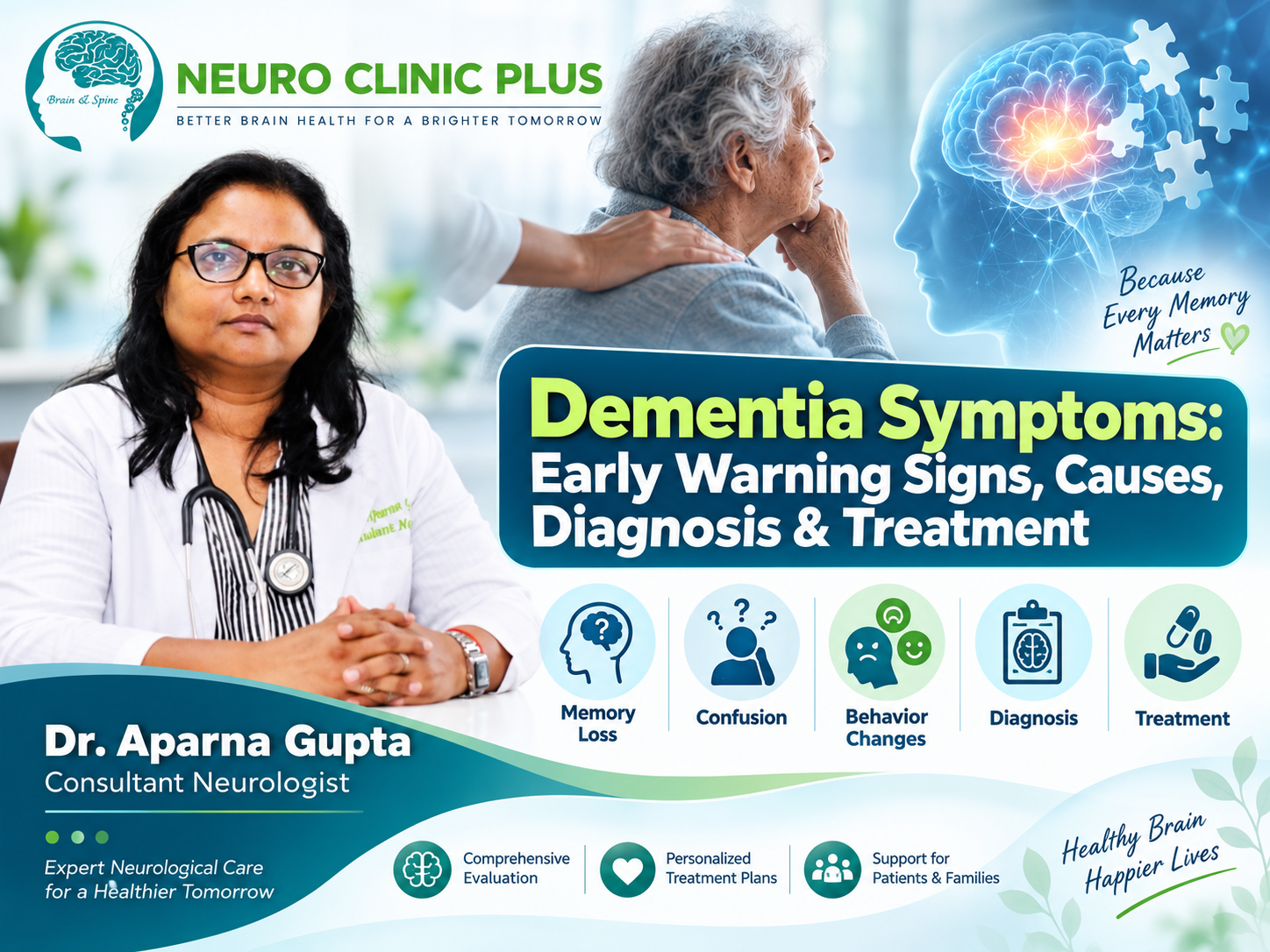
Dementia is a neurological condition that can affect memory, thinking, communication, and the ability to manage everyday activities. Recognising dementia symptoms early can help individuals and families seek appropriate medical advice, understand the underlying cause, and plan for future care.
Occasionally forgetting a name or misplacing an object is common, especially during stressful or tiring periods. However, persistent memory problems, confusion about familiar places, difficulty finding words, or changes in judgement may indicate something that needs medical attention.
Understanding the early signs of dementia, its possible causes, and available treatment options can help families respond with greater confidence and compassion. In this guide, we explain how dementia develops, how doctors diagnose it, and when to consult a neurologist.
What Is Dementia and How Does It Affect Daily Life?
Dementia is an umbrella term for a group of symptoms caused by diseases or conditions that affect the brain. It can interfere with memory, reasoning, language, behaviour, and independent living.
Dementia is not a normal part of ageing. Although it becomes more common as people grow older, it can also affect younger adults.
The effects vary from person to person. Someone may initially struggle to remember recent conversations, while another person may experience difficulties with planning, concentration, communication, or recognising familiar surroundings.
What Are the Early Signs of Dementia to Watch For?
Recognising early symptoms of dementia is important because the changes may initially be subtle.
Common warning signs include:
- Frequent memory loss: Forgetting recently learned information or repeatedly asking the same questions.
- Difficulty completing familiar tasks: Struggling with routine activities such as preparing meals or managing household finances.
- Confusion about time or place: Losing track of dates, seasons, or familiar routes.
- Language difficulties: Having trouble finding the right words or following conversations.
- Poor judgement: Making unusual financial decisions or struggling to assess everyday risks.
- Changes in mood or personality: Developing unexplained anxiety, irritability, suspiciousness, or withdrawal from social activities.
- Difficulty planning: Finding it harder to organise tasks, follow instructions, or solve familiar problems.
These signs of memory loss in adults do not automatically mean someone has dementia. Other medical conditions can produce similar symptoms, so professional assessment is important.
What Causes Dementia? Understanding the Main Risk Factors
The underlying dementia causes vary depending on the type of brain disease involved. Dementia develops when damage to brain cells disrupts the networks responsible for thinking, memory, and behaviour.
Several factors can contribute to the risk:
- Age: The likelihood of developing dementia increases with age, although dementia is not inevitable.
- Family history and genetics: Certain inherited factors increase the risk of particular types of dementia.
- Cardiovascular problems: High blood pressure, diabetes, smoking, and high cholesterol can contribute to vascular damage affecting the brain.
- Neurological diseases: Alzheimer’s disease and other brain disorders can cause progressive cognitive decline.
- Lifestyle factors: Physical inactivity, excessive alcohol consumption, and untreated hearing loss may influence dementia risk.
Some conditions, including vitamin deficiencies, thyroid disorders, medication side effects, depression, and sleep problems, can cause memory difficulties that may be treatable. Identifying these possibilities is an important part of medical evaluation.
What Are the Different Types of Dementia?
Understanding the types of dementia helps explain why symptoms and treatment approaches differ between individuals.
1. Alzheimer’s disease: The most common cause of dementia. It often begins with difficulty remembering recent information and gradually affects other cognitive abilities.
2. Vascular dementia: Results from reduced blood flow or damage to blood vessels in the brain. Symptoms may develop after a stroke or progress gradually.
3. Lewy body dementia: May cause changes in attention, visual hallucinations, movement difficulties, and fluctuations in alertness.
4. Frontotemporal dementia: Often affects personality, behaviour, language, and decision-making. It can occur at a younger age than many other forms of dementia.
Some people have more than one type, known as mixed dementia.
Dementia vs Alzheimer’s Disease: What Is the Difference?
The terms dementia and Alzheimer’s disease are related, but they do not mean the same thing.
| Feature | Dementia | Alzheimer’s disease |
| Meaning | A group of symptoms affecting cognitive function | A specific brain disease |
| Causes | Several neurological diseases and conditions | Changes associated with Alzheimer’s pathology |
| Symptoms | Memory, language, behaviour, or reasoning problems | Often begins with recent memory difficulties |
| Diagnosis | Requires assessment of symptoms and their causes | Requires evaluation for Alzheimer’s and other possible causes |
| Treatment | Depends on the underlying condition | May include symptom management and disease-modifying treatment for eligible patients |
In simple terms, Alzheimer’s disease is one cause of dementia, but not everyone with dementia has Alzheimer’s disease.
How Is Dementia Diagnosed by a Neurologist?
A dementia diagnosis involves more than a single memory test. A neurologist evaluates the person’s symptoms, medical history, daily functioning, and changes noticed by family members.
The assessment may include:
- Medical history: Understanding when symptoms began and how they have progressed.
- Cognitive testing: Assessing memory, attention, language, and problem-solving abilities.
- Physical and neurological examination: Checking movement, reflexes, coordination, and other neurological functions.
- Blood tests: Looking for potentially treatable contributors, such as vitamin B12 deficiency or thyroid problems.
- Brain imaging: MRI or CT scans may help identify strokes, structural changes, or other abnormalities.
- Additional investigations: In selected cases, specialist tests or biomarkers may help establish the underlying disease.
Early evaluation can help distinguish dementia from other conditions that affect memory and thinking.
What Are the Available Dementia Treatment Options?
Although many forms of dementia cannot currently be cured, appropriate care can help manage symptoms, maintain independence where possible, and support quality of life.
The right dementia treatment depends on the underlying cause, symptoms, disease stage, and overall health.
Treatment and support may include:
- Medications: Certain medicines may help manage symptoms in Alzheimer’s disease and some other forms of dementia. Disease-modifying treatments are available for selected people with early Alzheimer’s disease, subject to eligibility and safety assessment.
- Management of medical conditions: Controlling blood pressure, diabetes, and other health problems can be particularly important in vascular dementia.
- Cognitive and physical activities: Suitable activities, exercise, and rehabilitation may support daily functioning and wellbeing.
- Healthy routines: Regular sleep, balanced nutrition, social interaction, and a structured daily schedule can help.
- Caregiver education: Learning how to communicate calmly, simplify tasks, and create a safe environment can reduce stress for both the person and their family.
No single treatment is suitable for everyone. A neurologist can explain realistic benefits, limitations, and potential side effects.
When Should You See a Neurologist for Memory Loss?
Knowing when to see a neurologist for memory loss can prevent delays in identifying an underlying problem.
Consider arranging a medical assessment if memory difficulties persist, gradually worsen, interfere with daily activities, or occur alongside changes in language, judgement, behaviour, or orientation.
Sudden confusion, particularly when accompanied by facial drooping, weakness on one side, difficulty speaking, or a sudden severe headache, requires emergency medical attention because it may indicate a stroke or another urgent condition.
Family members can help by noting examples of symptoms, when they started, current medications, and changes in everyday functioning before the appointment.
About Dr. Aparna Gupta
Dr. Aparna Gupta is a neurologist practising in South Delhi, with over 22 years of clinical experience, according to her professional profile. She serves as Director of Neurology at ISIC Multispeciality Hospital and consults at Neuro Clinic Plus in Safdarjung Enclave.
Her listed qualifications include MBBS, MD in General Medicine, and DNB in Neurology. Her clinical areas of interest include stroke, epilepsy, migraine, vertigo, Parkinson’s disease, dementia, and other neurological conditions.
At Neuro Clinic Plus, patients can seek professional evaluation for persistent memory problems, changes in thinking, and other symptoms that may require neurological assessment. Early consultation can help clarify the possible cause and guide appropriate care.
Frequently Asked Questions About Dementia
1. What are the first symptoms of dementia?
Early symptoms may include repeatedly forgetting recent conversations, asking the same questions, difficulty planning tasks, confusion about familiar places, and changes in judgement.
2. Is forgetting things always a sign of dementia?
No. Occasional forgetfulness can occur with ageing, stress, poor sleep, or distraction. Persistent or worsening memory problems deserve medical evaluation.
3. At what age can dementia begin?
Dementia is more common in older adults, but some types can develop before age 65. Persistent cognitive changes should be assessed regardless of age.
4. What is the most common type of dementia?
Alzheimer’s disease is the most common cause of dementia. Other types include vascular dementia, Lewy body dementia, and frontotemporal dementia.
5. Can dementia be cured?
Most progressive forms of dementia do not currently have a cure. However, treatment may help manage symptoms, and certain underlying causes of memory problems are treatable.
6. How quickly does dementia progress?
Progression varies according to the underlying disease, general health, and individual circumstances. Some people experience gradual changes over years, while others may decline more quickly.
7. How is dementia different from normal ageing?
Normal ageing may involve occasional difficulty recalling information. Dementia more significantly affects memory or other thinking abilities and interferes with everyday independence.
8. Can stress or depression cause dementia-like symptoms?
Yes. Stress, depression, anxiety, and sleep problems can affect concentration and memory. A medical assessment can help identify the cause and determine appropriate treatment.
9. Which tests confirm a dementia diagnosis?
Doctors may use medical history, cognitive assessments, neurological examinations, blood tests, and brain imaging. Additional tests may be needed depending on the suspected cause.
10. What is the best treatment for dementia?
There is no single best treatment for everyone. Management depends on the diagnosis and may involve medication, treatment of other health conditions, supportive therapies, and caregiver guidance.
11. Can lifestyle changes reduce dementia risk?
Regular physical activity, management of blood pressure and diabetes, not smoking, limiting alcohol, maintaining social connections, and addressing hearing problems may help support brain health and reduce certain risk factors.
12. When should someone with memory loss consult a neurologist?
Seek an appointment if memory problems persist, worsen, or interfere with daily life, particularly when accompanied by confusion, language difficulties, personality changes, or impaired judgement. Sudden neurological symptoms require emergency care.
Conclusion
Recognising dementia symptoms early can help individuals and families seek appropriate medical advice, understand the possible cause, and prepare for future needs. Although dementia can affect memory, communication, behaviour, and independence, its symptoms and progression vary widely.
Understanding the early signs of dementia, obtaining an accurate diagnosis, and following an individualised care plan can make a meaningful difference to daily life. If you or a family member experiences persistent or worsening memory problems, consult a qualified healthcare professional for an assessment rather than assuming the changes are a normal part of ageing.